Antibiotic tolerance
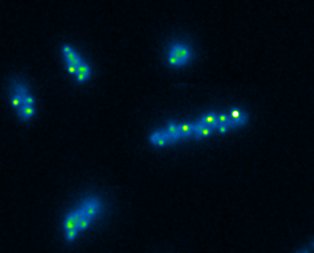
We study the mechanisms by which bacteria develop tolerance against beta-lactam antibiotics. In particular, we focus on tolerance involving epigenetic phenomena and short-time adaptations. By working at the single-cell level, we are attempting to correlate adaptative response to antibiotics with alterations in the local mechanical properties of the bacterial cell wall. These projects are anticipated to help improve antibiotic delivery and dosing strategies to control pathogen growth.
Immune-Pathogen Interactions
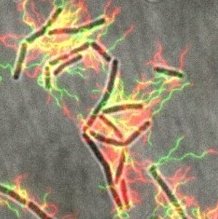
The innate immune system is our first line of defense against infections, rapidly detecting and responding to microbial threats. We investigate how innate immune cells, particularly neutrophils, exhibit diverse phenotypic responses when targeting pathogenic bacteria. We are particularly interested in the competing chemotactic responses of immune cells and motile bacteria, as well as the role of mechanosensitive phenomena shaping their interactions. We combine microfluidics, optical trapping, and high-resolution single-molecule and single-cell imaging techniques to dissect the differential dynamics of the pathogenic bacteria and the immune cells. Our goal is to uncover the mechanistic basis for different eradication strategies, especially NETosis, and determine the impact of bacterial infections in chronic inflammatory diseases.
Spread of Carcinogenic Bacteria
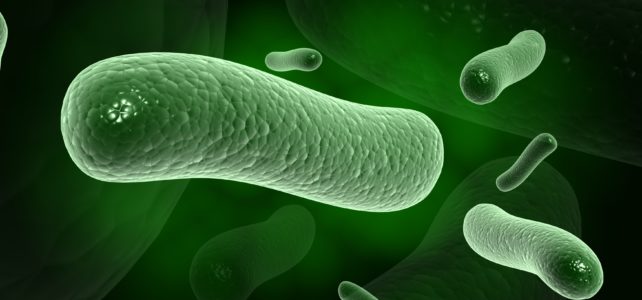
Helicobacter pylori infections are a major cause of peptic ulcers and gastric cancers. Although infections are currently treated with antibiotics, the growing instances of antibiotic-resistant H. pylori are increasingly becoming a serious concern. Bacterial infections and colonization are promoted by chemotaxis, which refers to the ability to swim towards favorable chemical environments. We are investigating how the chemotaxis signaling network modulates H. pylori’s flagellar functions to promote colonization. Based on our fundamental investigations, we aim to develop innovative strategies for preventing H. pylori infections and related cancers. Read more here.
Pathogen detection and antibacterial testing
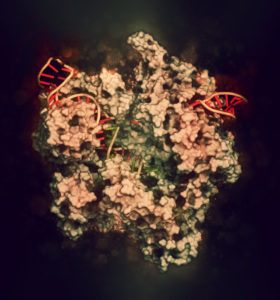
We collaborate with companies to perform antibacterial product testing and help them meet regulatory standards. We combine artificial intelligence and machine learning tools with biophysical approaches to develop easy-to-use scanners for rapid pathogen detection. Our objective is to provide scalable solutions to mitigate the threat of antibiotic-resistant infections in the food supply chain.
Cell Mechanics
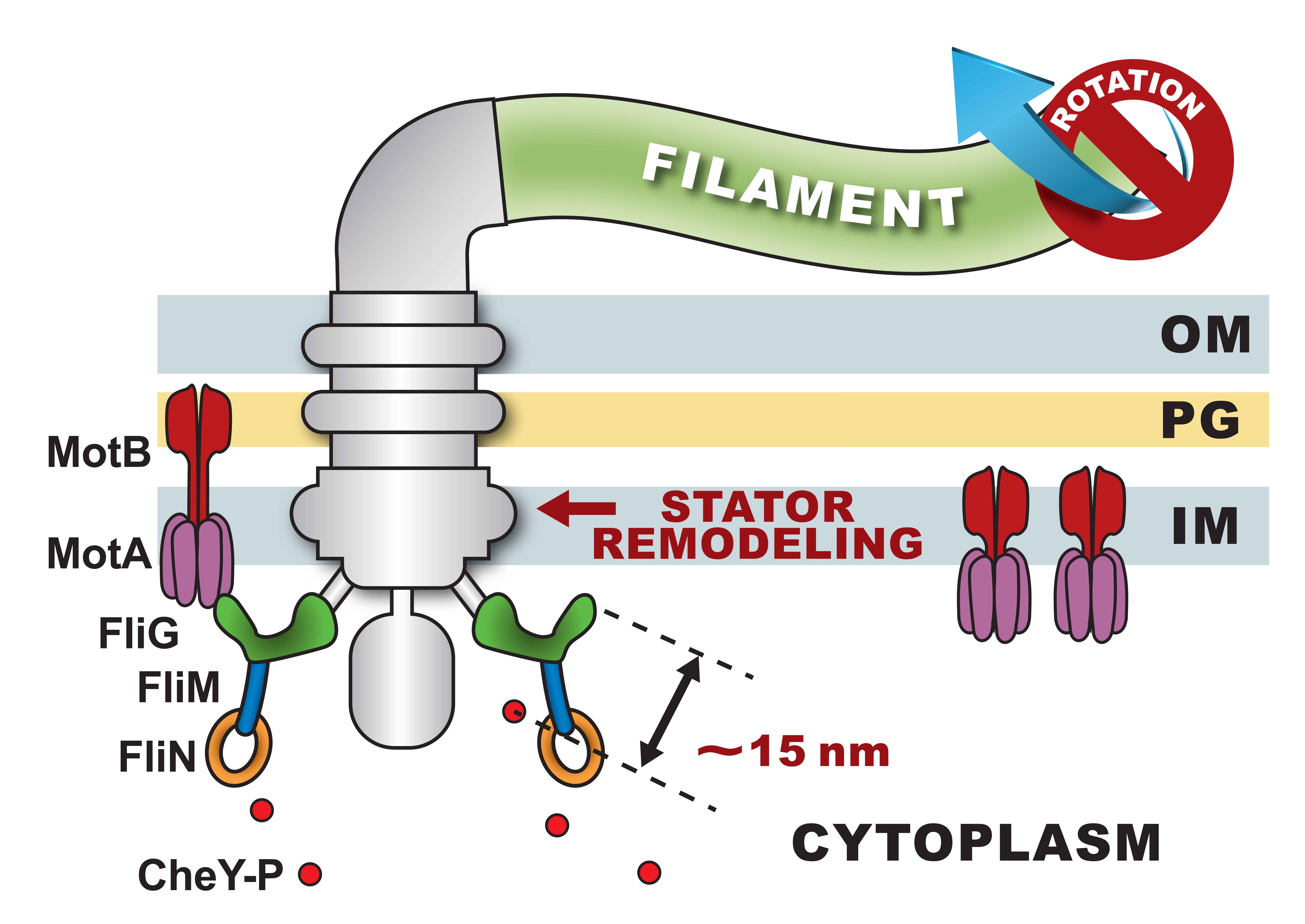
Bacteria must sense their attachment to a surface before establishing biofilms. As 'Biofouling' due to biofilms annually costs industries billions of dollars, how bacteria sense solid surfaces are of considerable interest. While working with my postdoctoral advisor, Dr. Howard Berg, I discovered that protein components of the bacterial flagellum function as mechanosensors. My lab is researching mechanosensing or 'tactile sensing' in bacteria to determine how biofilms are formed. In collaboration with industries, we are testing antibacterial products to mitigate biofouling of surfaces. Read more here.